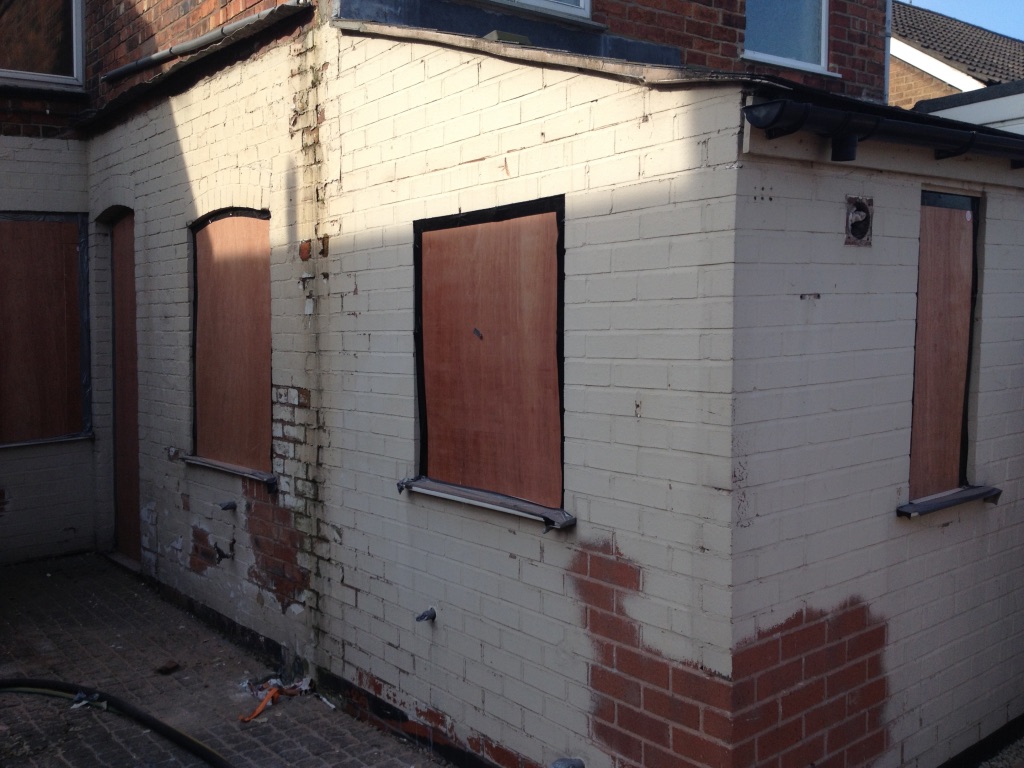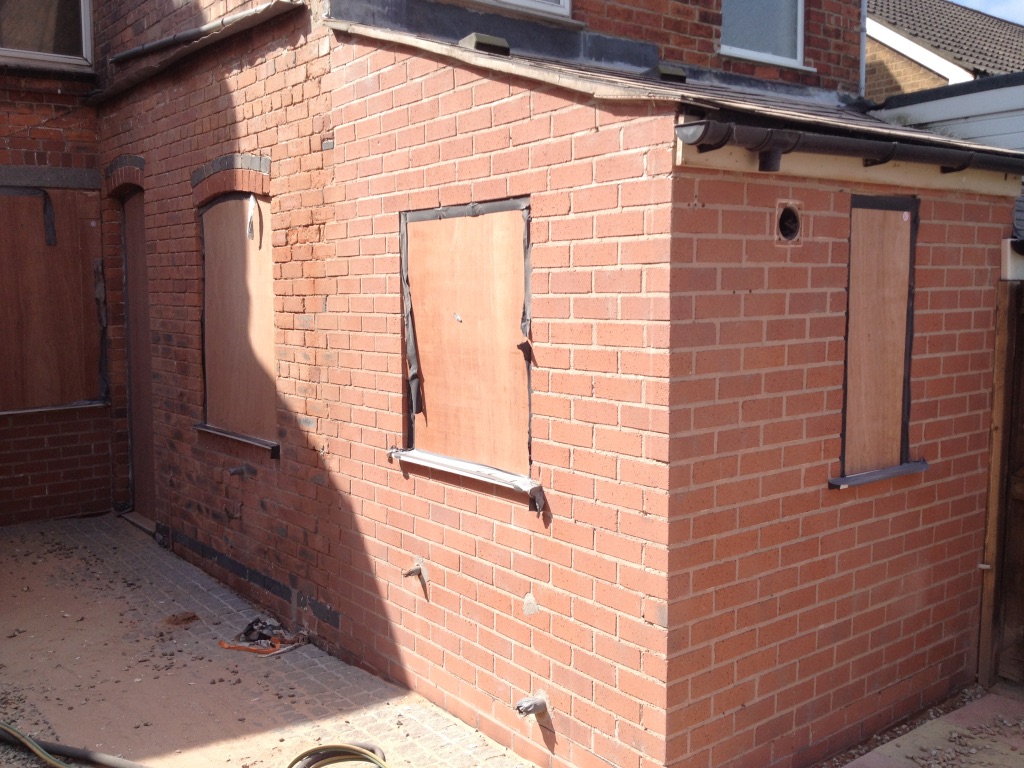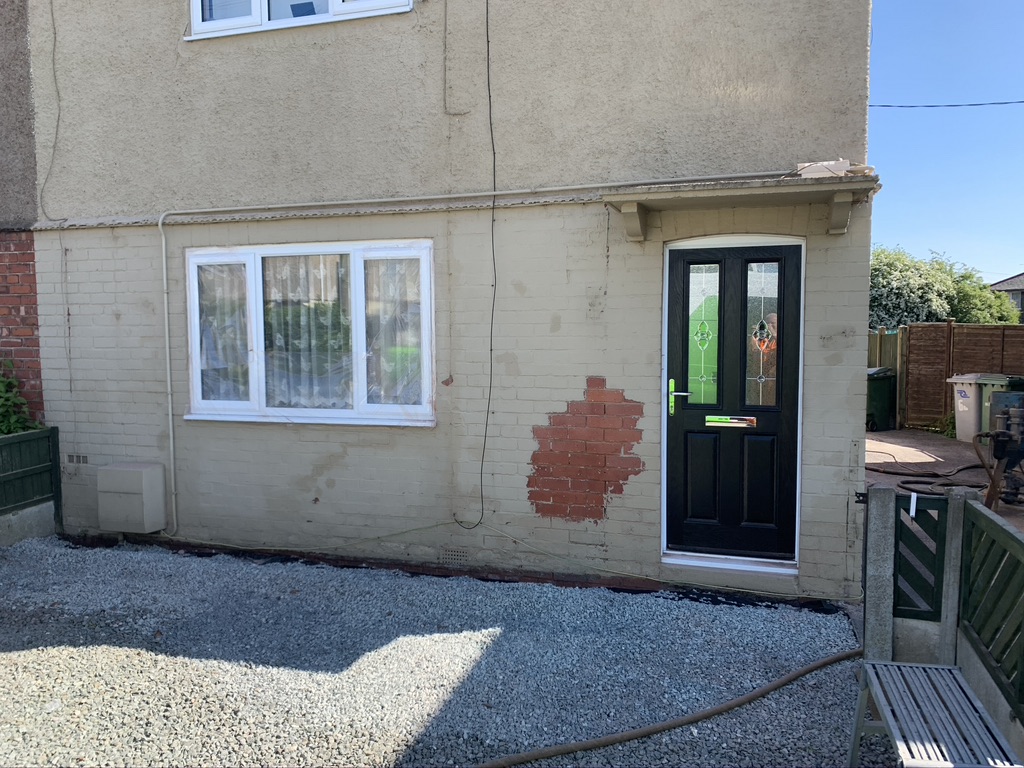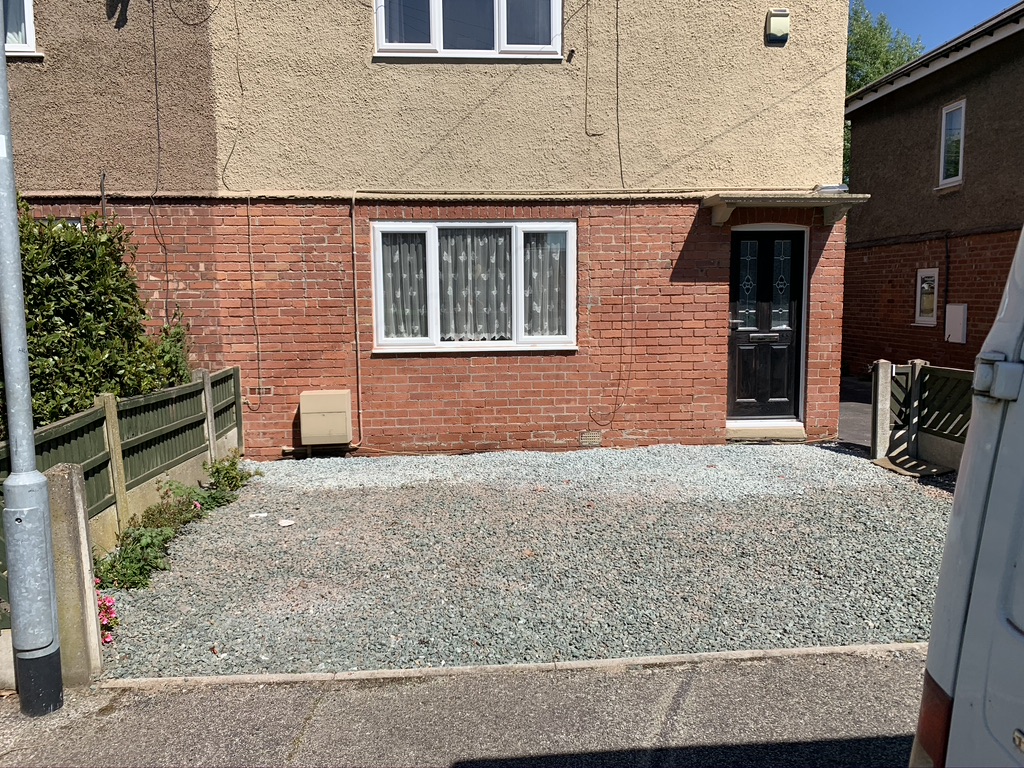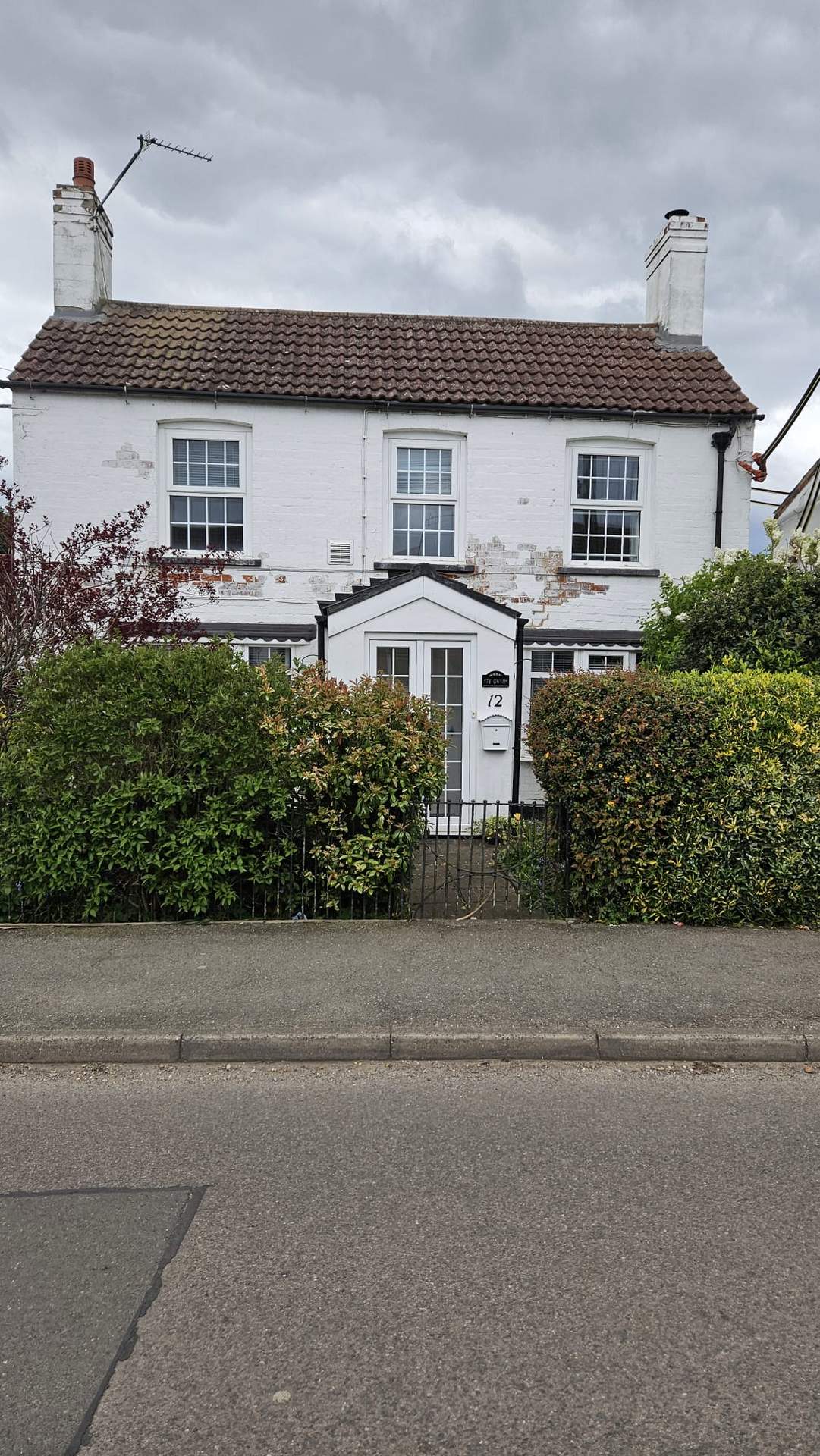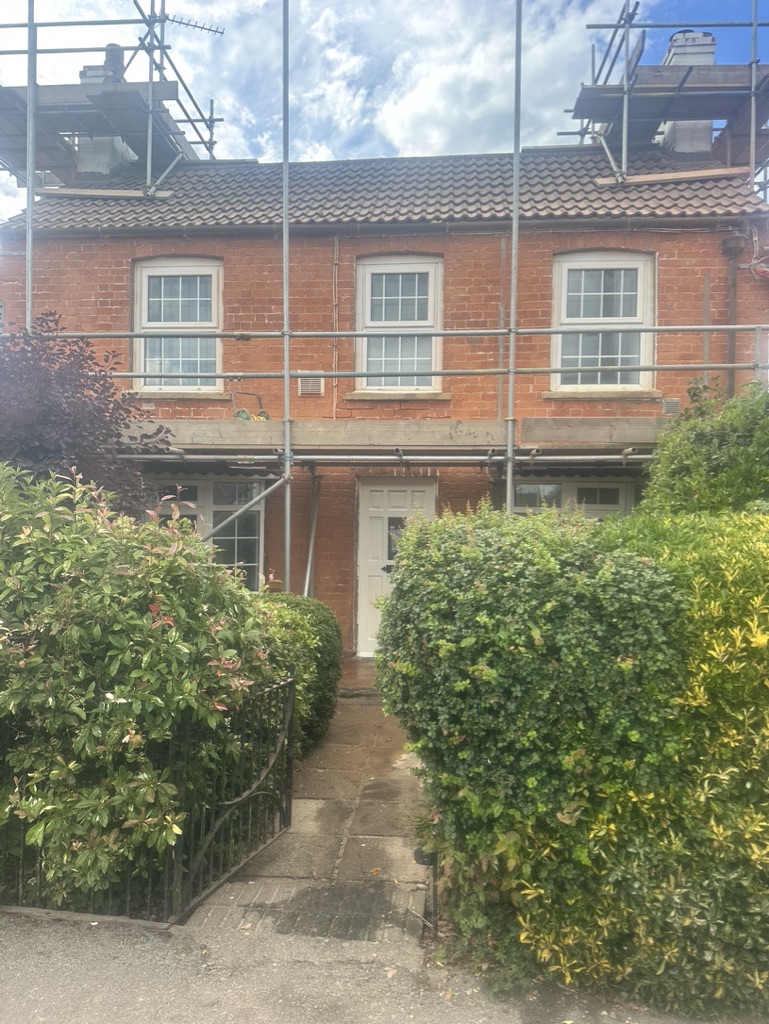
Cleaning brickwork with vapour blasting (also known as wet blasting or slurry blasting) is a restoration technique that combines water, air, and abrasive media to strip contaminants while preserving the delicate surface of the masonry.
The Method: "Cleaning by Flow"
Unlike traditional dry sandblasting, which relies on high-impact force, vapour blasting cleans through a lubricated flow of media.
The Mixture: A slurry is created by mixing water with fine abrasive media, such as recycled crushed glass, glass beads, or aluminium oxide.
The Application: This slurry is pumped to a nozzle where compressed air accelerates it toward the brickwork. The water acts as a "cushion," reducing the impact of the abrasive particles so they don't pit or scar the brick.
Variable Control: Technicians can precisely adjust the pressure (often as low as 20–25 PSI) and the flow rate to remove specific layers, such as a single coat of paint, without disturbing the mortar.
Dust Suppression: The water encapsulates the dust particles at the point of impact, making the process virtually dust-free and safer for use in residential or public areas.
The Results
Vapour blasting is often preferred for heritage or sensitive brick restoration because it provides a more uniform and "soft" finish. Complete Contaminant Removal: It effectively removes stubborn efflorescence (salt staining), carbon buildup, bitumen, and multiple layers of old paint that standard pressure washing cannot shift.
Restored Appearance: The process "washes" the brick as it cleans, removing the deep-seated grime from the pores of the masonry to reveal the original colour and texture.
No Surface Damage: Because the water prevents frictional heat and cushions the impact, the brick’s protective outer "skin" remains intact, avoiding the "sandblasted" look of pitted or rounded bricks.
Smooth Finish: The "lapping" effect of the slurry produces a smoother, satin-like finish compared to the rough profile left by dry abrasive methods.